Facebook
 X
 Pinterest
 Copy Link
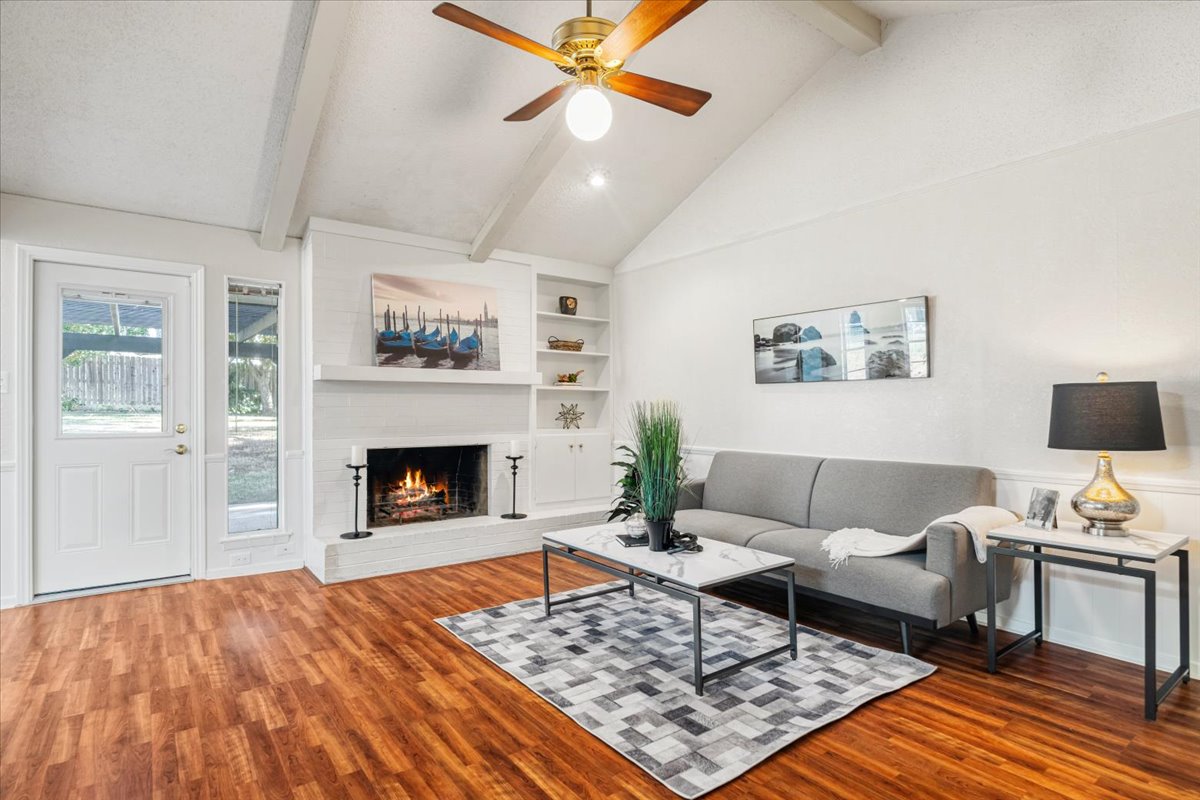
If your parents have lived in their South Austin home for a long time, there’s probably a list somewhere, written down or not, of things that could be repaired, replaced, or updated.
Maybe the kitchen is dated. Maybe the flooring has seen better days. Maybe there are a few repairs everyone has learned to live with.
Once selling becomes part of the conversation, it’s easy to look around and think:
Do we need to fix all of this before we can sell the house?
Usually, no.
But I also wouldn’t recommend doing nothing without first understanding what you’re working with.
The better approach is to evaluate the home’s condition, understand how it fits into the current market, and decide which improvements, if any, are likely to make financial sense.
That could mean making repairs. It could mean making a few relatively simple updates. It could mean selling the home largely as-is.
What I wouldn’t recommend is starting renovations before you understand whether they’ll actually help the sale.
Does an older home need to be updated before you sell it?
No, but condition matters.
There’s an important difference between a home that’s simply dated and one with unresolved maintenance or condition issues.
Today’s buyers are paying attention to both.
Many buyers want a home that feels clean, cared for, and move-in ready. They may appreciate the location, floor plan, lot, and character of an older South Austin home, but that doesn’t necessarily mean they want to spend their first year of ownership managing contractors and renovations.
That means an older home can absolutely sell well without a major remodel, but the condition, preparation, pricing, and buyer strategy all need to work together.
When I’m looking at a longtime home with a seller, I’m usually trying to answer three questions:
- What genuinely needs attention?
- What relatively small improvements could make a meaningful difference?
- What isn’t worth spending money on?
Those answers are different for every property.
Before making improvements, understand the home’s condition
This is one of the most important steps, especially with a longtime-owned home.
In older South Austin homes, buyers often want to understand much more than whether the kitchen looks current.
They may want to know:
- What type of plumbing is in the house?
- Are there galvanized pipes?
- Has the electrical system been updated, or is there aluminum wiring?
- What’s known about the foundation?
- How old are the HVAC system and roof?
- How have the mature trees been maintained?
- Are large limbs close to the house or roof?
- Are there other major systems or maintenance items that haven’t been evaluated recently?
These things don’t automatically make a home difficult to sell.
They’re simply questions buyers are likely to ask, and having answers can make the entire process much easier.
That’s one of the reasons I’m such a strong believer in a pre-listing inspection.
Should you get a pre-listing inspection?
In most cases involving a longtime home, I recommend one.
If the homeowner has detailed records of maintenance and a very clear understanding of the property’s condition, there may be situations where we decide differently. Otherwise, I’d much rather know what we’re dealing with before the home goes on the market.
A pre-listing inspection gives the seller information while there’s still time to make thoughtful decisions.
It can identify something worth repairing before listing. It may tell us we need another professional, such as a roofer, electrician, plumber, HVAC technician, or foundation specialist, to take a closer look.
It can also help us decide that something doesn’t need to be repaired before selling.
For the seller, that means fewer surprises.
For the buyer, it provides more transparency and certainty about the property they’re considering.
And in the right situation, the inspection can also become a useful marketing tool. When buyers can see that the seller has taken the time to understand the home’s condition, they’re able to make their decision with better information.
I’ve seen a pre-listing inspection completely change the strategy for a sale before the property ever reached the market.
Which repairs are worth making before selling?
There’s no universal repair list.
The right answer depends on the home’s condition, price point, competition, seller’s timeline, and current market.
Something that’s inexpensive to correct and likely to concern buyers may be an easy decision.
A larger repair may require a closer look at the cost and the likely benefit.
And sometimes the right decision is to disclose what we know, price the property appropriately, and let the next owner handle it.
Before committing to significant work, I want to understand:
- What could the home reasonably sell for in its current condition?
- What could it realistically sell for after the proposed work?
- What will the work actually cost?
- How long will it take?
- What additional carrying costs will the seller have while the work is underway?
- What is happening in the market during that time?
That last question matters more than people sometimes realize.
If a renovation takes two or three months, we’re also making an assumption about what the market will look like two or three months from now.
The market may remain stable.
It may improve.
It may also become more competitive while the seller is still managing contractors.
That can change the financial calculation considerably.
Before beginning a significant renovation or repair plan, I’d want to understand the selling strategy first.
What about cosmetic updates?
This is where I tend to be selective.
Buyers do notice presentation, and many are looking for homes that feel clean, cared for, and move-in ready.
That doesn’t automatically mean a full remodel.
I’ve worked with a seller where we specifically decided not to take on a major renovation. Instead, we made careful, relatively inexpensive changes in the places where they would have the most impact.
There was no unnecessary heavy lifting. We focused on the things that would improve how the home showed and how buyers felt when they walked through it.
The house presented beautifully, buyers felt confident about the property, and it performed very well.
That’s the kind of preparation I’m looking for.
The objective isn’t to spend the most money.
It’s to spend money where it makes a difference.
Depending on the home, that may include:
- Paint
- Professional cleaning
- Lighting
- Landscaping
- Flooring
- Minor repairs
- A few targeted cosmetic updates
Those choices should come from a strategy rather than from the assumption that an older house has to be completely renovated before buyers will want it.
Should you remodel the kitchen or bathrooms before selling?
This is where I’d slow down.
Buyers absolutely have preferences, and many buyers today would much rather purchase a home that’s already updated than take on a major remodel themselves.
That still doesn’t mean a renovation is automatically a good financial decision for the seller.
Kitchen and bathroom projects can become expensive quickly. They can also delay the sale, increase carrying costs, and create new decisions and complications.
So the question isn’t:
Would buyers prefer an updated kitchen?
Of course they would.
The better question is:
Will the improvement increase the home’s sale price enough to justify the total cost, time, and risk involved in completing it?
If that answer isn’t clear, I wouldn’t assume the renovation is worth doing.
What if the home is more likely to appeal to an investor or renovation-minded buyer?
This is another reason not to assume every home needs to be updated before it sells.
Some properties are simply better candidates for buyers who are specifically looking for a renovation opportunity.
That might include a home with significant deferred maintenance, extensive updating needs, or a combination of repairs that would make preparing it for the traditional resale market expensive or impractical.
In those situations, presentation may matter much less.
A renovation-minded buyer is often looking at different things:
- Location
- Lot
- Floor plan
- Structural condition
- Major systems
- Renovation potential
- Purchase price
- The numbers involved in improving the property
Putting money into cosmetic finishes before selling to that type of buyer may not provide much benefit.
Because I’ve worked with a number of properties that need updating or significant work, I’m also well connected with investment and renovation-focused buyers who actively look for opportunities like these.
That doesn’t mean an investor-focused or off-market sale is automatically the best option.
It simply means it may be worth comparing that route with a traditional listing before spending money on improvements.
Sometimes the strongest outcome comes from preparing the home for the open market.
Other times, it makes more sense to sell the property closer to its current condition.
The numbers should help drive that decision.
Can you sell a South Austin home as-is?
Absolutely.
Selling as-is doesn’t mean a home can’t sell well.
It means we’re making a deliberate decision not to take on certain repairs or improvements before the sale.
The key is pricing and positioning.
A home with deferred maintenance or significant updating needs has to be priced realistically against what else buyers can purchase.
In some situations, I’ve worked with homes where very little preparation was necessary.
Depending on the property and circumstances, it’s even possible to sell a home with belongings still inside.
That isn’t the right solution for every seller, but it’s an important option for families to understand.
Sometimes simplifying the process has real value, particularly when the homeowner doesn’t want to spend months managing contractors, renovations, clean-out crews, and repairs before they can move forward.
The home still needs to be marketed honestly, known conditions need to be handled appropriately, and the price needs to reflect what the buyer is taking on.
What about seller disclosures?
Selling a property as-is doesn’t eliminate disclosure requirements.
In Texas, many sellers of previously occupied single-family homes are required to provide a Seller’s Disclosure Notice regarding their knowledge of the property’s condition.
There are exceptions, and every situation is different.
If there’s any question about a seller’s specific legal obligations, I recommend speaking with the REALTOR® involved in the sale and, when appropriate, a qualified real estate attorney.
This is another reason I like having as much information as possible before listing.
Transparency tends to make the process easier for everyone.
What about lead-based paint in older Austin homes?
If a home was built before 1978, federal lead-based paint disclosure requirements may apply.
That doesn’t mean there’s necessarily a lead problem, and it doesn’t mean an older home needs special renovation simply because of its age.
It does mean there are federal requirements regarding disclosure of known lead-based paint and lead-based paint hazards.
If work is planned that will disturb painted surfaces in a pre-1978 home, it’s also worth talking with a qualified contractor who understands the applicable lead-safe renovation requirements.
If testing, remediation, or renovation requirements become part of the conversation, that’s an area where I’d bring in the appropriate professional rather than make assumptions.
How much should you spend getting the house ready?
This depends on both the property and the homeowner.
The goal may be to maximize the sale price, and the seller may be comfortable investing money and time into preparation.
Timing may be more important.
The homeowner may not want to fund improvements upfront.
And in some cases, they may not have to.
Depending on the work involved, there may be options to complete certain repairs or updates with payment due at closing rather than upfront.
If that’s the right strategy for the home, I also have vendor partners I can recommend who are familiar with preparing properties for sale.
That can make a meaningful difference when a repair or update makes financial sense, but the homeowner doesn’t want to take on the upfront expense.
It still needs to be evaluated carefully.
I’d want to understand the cost of the work, the expected impact on the sale, the timing, and the terms of any pay-at-closing arrangement before moving forward.
The family may also be dealing with a move, belongings, estate planning, or another transition and not want to add a renovation project to the mix.
All of those things matter.
Before committing money, I want to understand the home’s condition, its likely market value, the cost of the proposed work, the seller’s timeline, and what the current market is rewarding.
A project that makes sense for one property may make no financial sense for another, even if they’re right down the street from each other.
So, should you fix up your parents’ South Austin home before selling it?
Probably to some degree, but I wouldn’t start with the assumption that the house needs a renovation.
Start by understanding the property.
For an older South Austin home, that may mean looking closely at plumbing, electrical systems, the foundation, HVAC, roofing, trees, and other major components before worrying about cosmetic finishes.
A pre-listing inspection can provide a much clearer picture.
Then look at how the home fits into the current market.
From there, we can determine whether the better strategy is targeted repairs and improvements, selling largely as-is, or marketing the property toward buyers who are specifically looking for renovation opportunities.
And if repairs or updates do make financial sense, there may be ways to complete certain work without requiring the seller to pay everything upfront.
The important part is making those decisions before the money is spent.
A longtime home doesn’t need to be perfect to sell.
It needs a strategy that makes sense for the house, the market, and the homeowner.